

1.Three Studies Of A Half Human /2. Jester Quantised /3. Fire Without Heat /4. Let The Moon Cry With You /5.Retreat To Barbarism/6.People Are Plastic /7. Hilversum /8. The Mad Decades /9. Hilversum (single edit) /10. Three Studies Of A Half Human (single edit) /11. Jester Quantised (single edit)
Release date: May 29, 2026
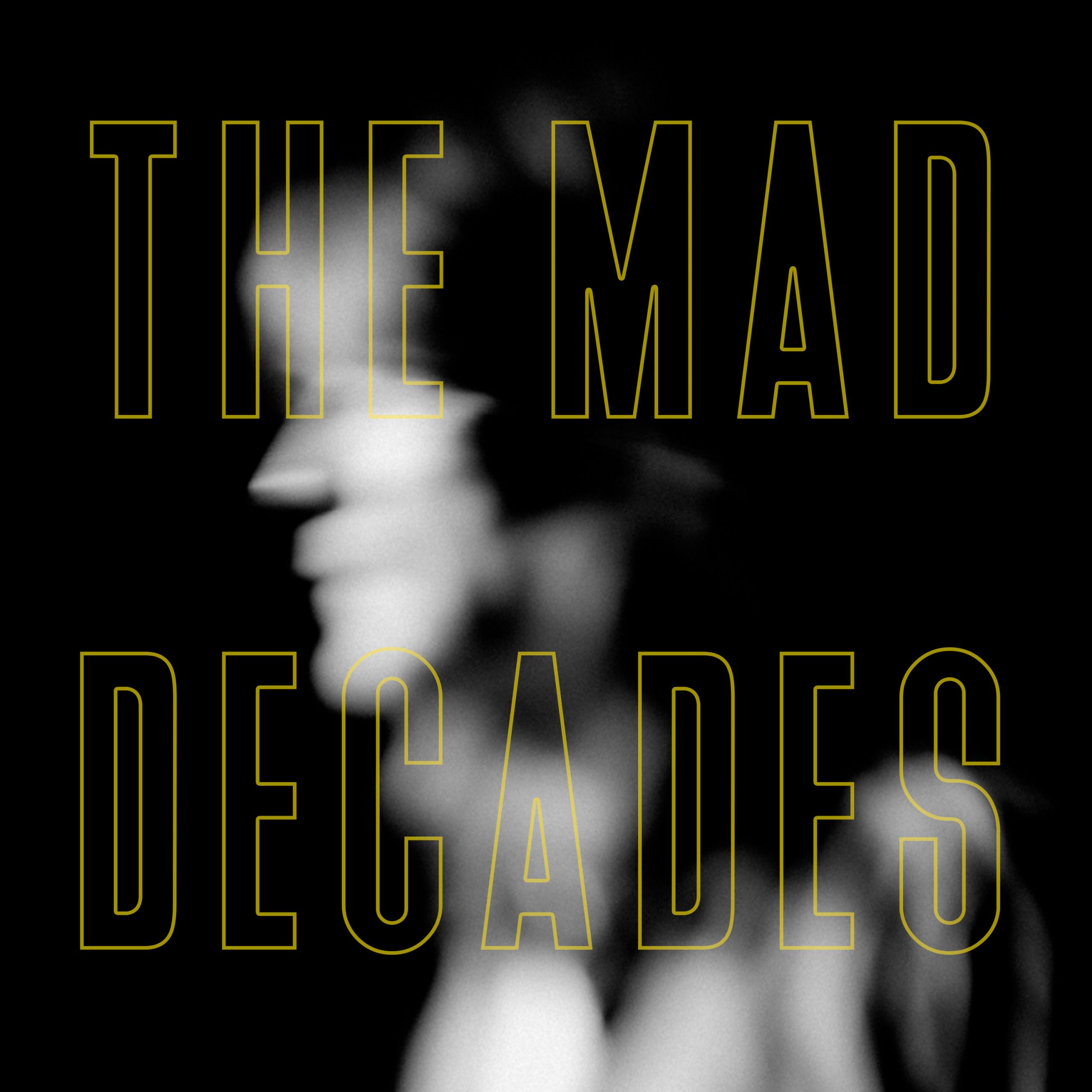 Madness the mental state that has inspired artists and intrigued the collective imagination since ancient times. Sometimes, it is viewed as a manifestation of evil and other times as a secret into unknown areas of the psyche. In the famous painting “The Extraction of the Stone of Madness” by Hieronymus Bosch, we see a representation of a superstitious belief according to which madness and foolishness were caused by actual stones lodged in the brain, which then ‘cowboy’ surgeons attempted to remove. Thankfully, humanity has moved on from superstition, if not from being enticed by systems and actors that create maddening situations.
In his latest album, ‘The Mad Decades‘, Nick Carlisle celebrates the self-inflicted madness of humanity and ostracises it for a short time so that after we finish listening to the album, we can live with and feel a bit lighter about it.
With a haunting mix of melancholic psychedelia and glam rock goth, the melodies and the lyrics on this album managed to get a decisive grip on my heart. The little moments within this album, where the riffs of ‘Mad World’ from Tears for Fears and ‘The Order of Death’ by PiL came to mind, unlocked some additional aesthetic dimensions of its music.
From Francis Bacon to Isaac Asimov accompanied by an orchestra of synthesizers
Whilst the angst of rampant technological advances and social isolation is pounding in our heads, ‘The Mad Decades’ employs trippy synth melodies, haunting guitar riffs, and an old piano to paint a dreamy dystopian picture of the present full of sonic colour, serenity, something borrowed from the romantic view one encounters in ‘The Little Prince’ by De Saint-Exupéry and some despair.
The album, which was inspired by ‘Trends’, a short story by Isaac Asimov, starts with ‘Three Studies Of A Half Human’ itself inspired by the work and life of Francis Bacon. This opener talks about the creative process and its ensuing chaos. The story behind ‘The Jester Quantised‘, a critique about the state of the music industry today, is the ultimate goth moment of the album, both in terms of its lyrics and its visuals. Nick has said about it: “The artist once on the pedestal now reduced to the jester at the feet of his audience, hoping for scraps.” The song’s official video, with its main character, a ragged man walking alone in the countryside chased by townsfolk who then attack and leave him in tatters, draws inspiration from folk horror films and brings to mind Mark Jenkins’ Enys Men.
The songs that follow filter through a polemic against incompetent and misleading political figures around the world and divisive social policies. Social isolation as a by-product of technology on the go is a recurring theme in Nick’s work, and in this album it takes the sonic form of ‘Let The Moon Cry With You‘ and ‘Hilversum‘ which feel like the songs with the most autobiographical elements to some degree or other.
“I set the song on a return train journey out of Hilversum – completely randomly, I might add, and I’ve never been to the place! But it’s the story of someone leaving a situation where their sense of self and their confidence have been confronted in some way, perhaps after a meeting with someone they were crushing on, and they are left wondering if that suit of armour was ever real at all or imagined. I was aiming for something that had the euphoria & melancholia of ABBA with the multitracked pianos, mixed with the drive & movement of NEU! & Harmonia.” (Nick Carlisle)
“Night time in the day, let the moon cry with you…” (lyrics)
When Thalia and Melpomene, two of the 9 muses Thalia of poetry and Melpomene of tragedy are invoked at moments of self-doubt,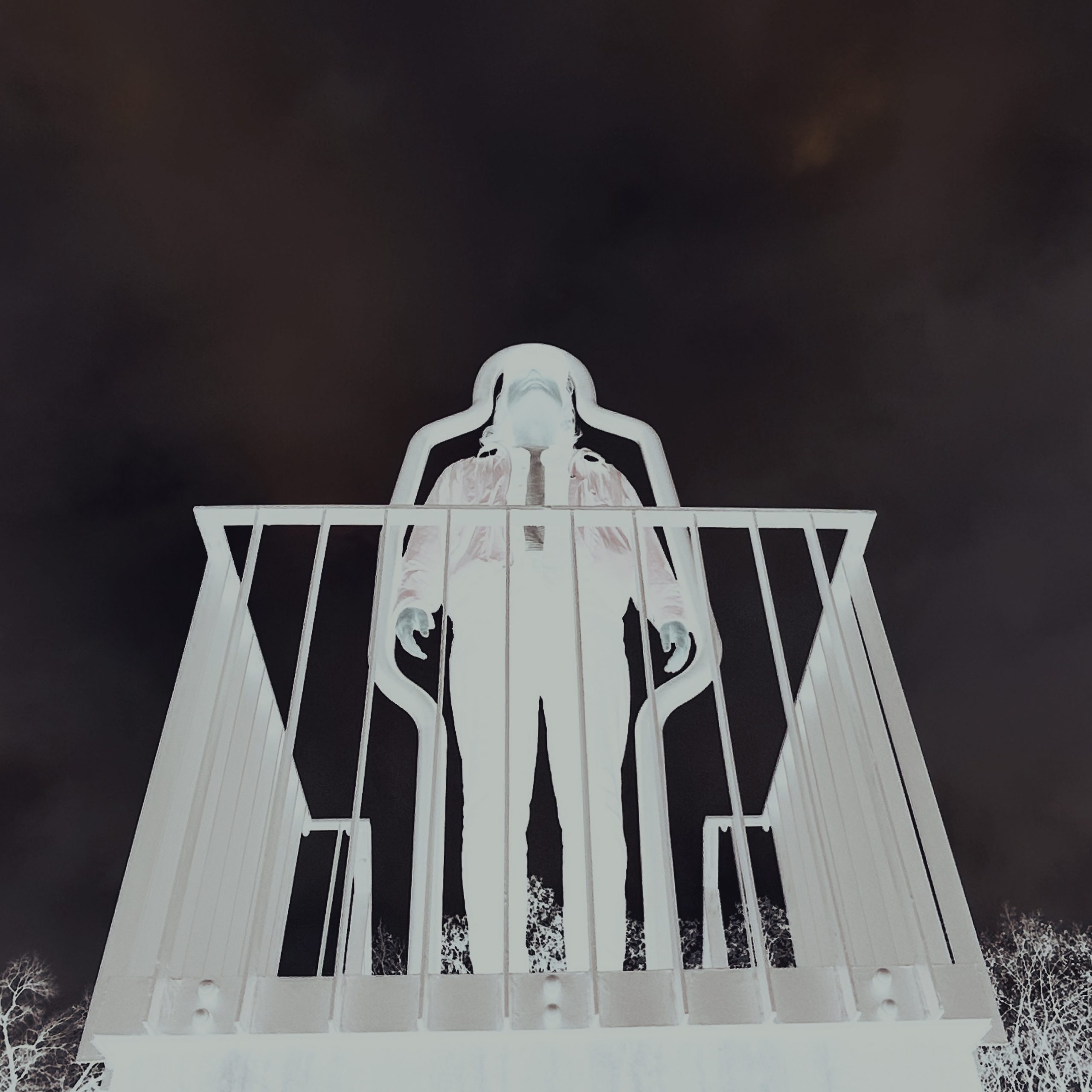 which is exactly what happens within the lyrics of ‘Let The Moon Cry With You‘, then surely a song ends up being quite special. It is, in the attractive contrast between mechanised rhythms/sounds and the lighter synth notes before the harmonica makes an entrance at the very end, that left me feeling emotionally captured and ethereally displaced. ‘Hilversum‘ had the same effect as it instantly created the desire to be on the road or on a train to somewhere.
“The people hidden in their rooms
Leading artificial lives in isolation
Their tendrils reaching out to coil
Addicted to their rewards
Smothered by comfort”
(Lyrics: ‘People Are Plastic‘)
I’ve always thought that a musician can only reveal their true colours in slow rhythms. ‘Fire Without Heat‘ and ‘People are Plastic‘ are those additional moments in the album that make one brave enough to look a moon in the ‘eyes’ and ask it to release them from a spell. The added degrees of melancholy in these songs, coming from the delivery of the lyrics and the ethereal/ghostly melodies that creep through their instrumental parts, transform them into nightmarish tales with hauntological entities. I loved the emotional suspension at the end of ‘People Are Plastic‘ where the synthesizer notes seem perfectly synchronised with the energy of the verses and their delivery: ‘But I have to leave, Yes I have to leave‘.
As always, Nick Carlisle recorded most of the instruments that helped make this album into an unforgettable sonic journey, including Hammond C3, Mellotron, harpsichord, and piano (ex-Keith Emerson’s no less!). Nick has said that: “The very EMS VCS3 synthesizer which features on The Who’s ‘Won’t Get Fooled Again’ makes an appearance on ‘Three Studies Of a Half Human” following a fruitful recording visit to The Townshend Studio in London where it now resides.”
The musicians that created the unique atmosphere of each song are Julian Tardo (Insides) on guitar, Joe Davin (Insides) on bass guitar, Marcus Hamblett (Bears Den / Rozi Plain) on bass guitar, Aubrey Simpson (Pale Blue Eyes) on the fretless bass guitar on ‘Jester Quantised‘ as well as providing the album cover photography, and Andy Pyne and Simon Adams, who play the drums and percussion throughout. YouTube celeb & vintage synth documentary maker Alex Ball provides drum machine & guitar, and German artist Anna River adds some backing vocals.
Some albums are just adding to the noise, this one proves that noise was invented in order to encompass music and messages without much to offer other than emotional entanglements and confusion. ‘The Mad Decades’ is the album of our time and as such, deserves some of your time and a place in your collection!
Thank you Nick and everyone involved in this!
9/10